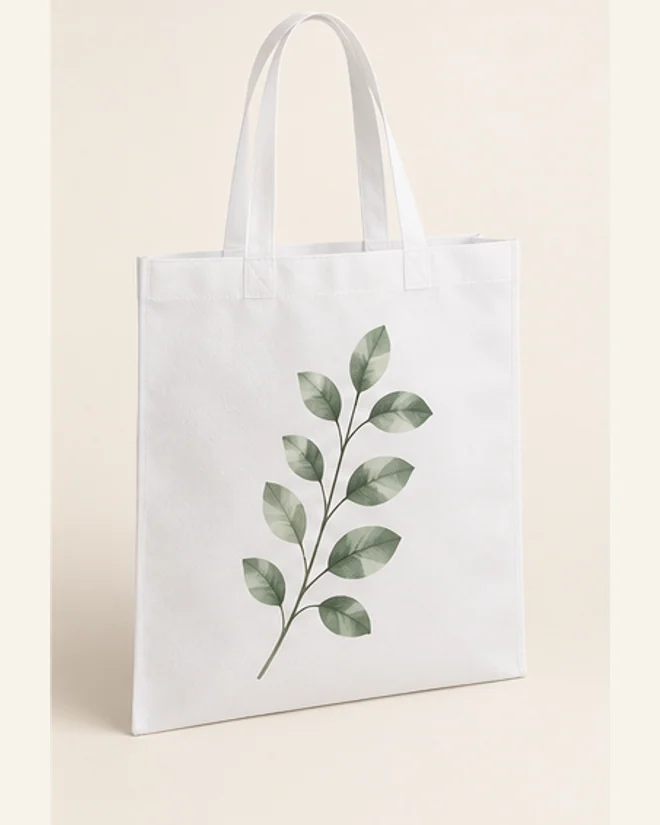
Loop-Handle Tote
38 × 42 cm · flatExternal size reference · 80 GSM
For A4 literature without a rectangular base. Check the usable opening and handout thickness in a filled sample.
 JINYUCommercial equipment & packaging.
Events & exhibitions
For exhibitions: send packed W × H × D; compare bag W × H × D, gusset, GSM, logo and quantity. Share your artwork and delivery destination when requesting a quote.
Back to your selected size →Set a valid quantity on your selected bag before preparing email or WhatsApp.
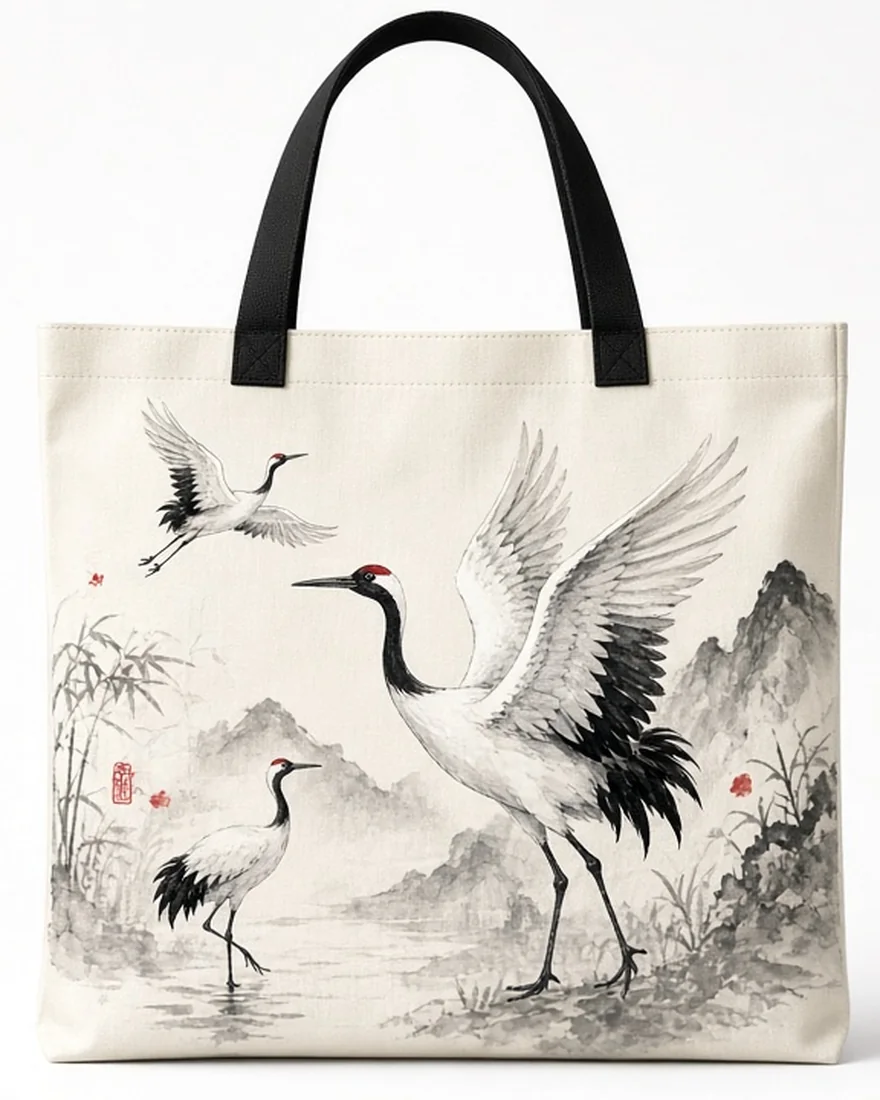
Choose for the contents
Compare these size references, then confirm usable space and print with a sample.
Help me choose →38 × 42 cm · flatExternal size reference · 80 GSM
For A4 literature without a rectangular base. Check the usable opening and handout thickness in a filled sample.
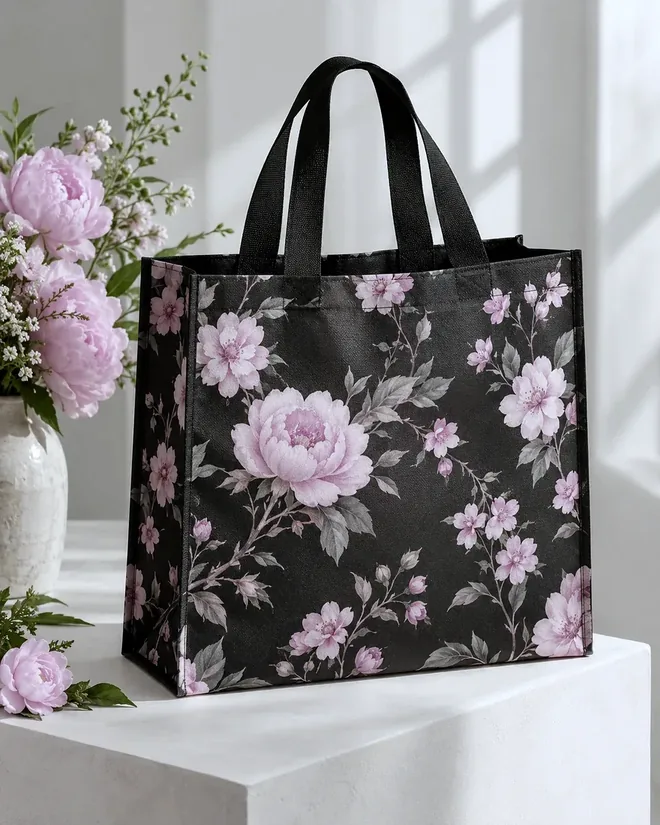
36 × 43 × 10 cmExternal size reference · 80 GSM
For a folder beside a bottle or boxed giveaway. Check internal space, stability and carrying comfort with the complete pack.
Prepare a useful brief
Tell us when the bags must reach your team, not only when the doors open. Allow time for sample review, packing, international transport and putting the delegate packs together.
A brochure-only bag is a different project from a mixed pack with boxes or bottles. List the contents and dimensions; do not rely on a generic carrying-weight claim.
Send the logo, preferred position and print coverage. A simple mark and a large graphic can need different printing routes, so compare both against the quantity.
Samples & useful answers
Check the complete delegate pack inside the sample. Confirm that the printed area stays visible when the bag is filled.
Sample cost, production and transport are confirmed separately.
Discuss a sample →An A4 sheet measures 21 × 29.7 cm. Measure the actual folder and the thickness of the complete brochure stack, not only the paper. For literature alone, compare a 30 × 40 cm D-cut reference with a 38 × 42 cm flat loop-handle tote. The D-cut opening reduces the clear height above the contents, while a flat bag has no specified rectangular base depth. For a folder plus a bottle or boxed giveaway, compare a gusseted bag instead. Nominal bag dimensions are external; approve the usable opening and complete pack in a sample.
Check D-cut dimensions and handle clearance →Use the actual products. In a planning example, a folder is 23 cm wide × 32 cm high × 2 cm thick and the bottle is 7 cm in diameter × 24 cm high. Placed upright beside each other, their bounding space is about 30 cm wide × 32 cm high × 7 cm deep, before protective packing or a divider. Compare our 36 × 43 × 10 cm EVENT gusseted shopper reference for a sample trial. The difference between these dimensions is not guaranteed clearance because bag sizes are external. Check the filled bottle weight, stability, usable opening and handle comfort; this is not a tested capacity or load claim.
Compare the 36 × 43 × 10 cm event bag →Send the packed contents and dimensions, preferred material or GSM, bag colour, logo files, print sides and quantity per artwork. Add the UK delivery postcode and the date the bags must reach your packing team. Ask for the sample route, production, freight and applicable import charges to be identified separately. The 5,000-piece example is an enquiry brief; production feasibility and arrival timing still need confirmation.
Prepare artwork, sample and delivery details →Share the date the bags must be at your event and the delivery postcode. Sample approval, production and transport are checked separately before we confirm dispatch and expected arrival. Do not treat a production estimate as an event-arrival promise.
For one shared logo or sponsor design, brief the bags as a preprinted batch and allow time for artwork approval, sampling, delivery and pack assembly. Printing a different name or design for each attendee is a separate workflow: the event team needs to confirm equipment, material compatibility, staffing and collection capacity. Do not assume a bulk bag quotation includes on-site printing. Tell us whether the artwork is shared or varies per bag so we can check the appropriate sourcing route.
Compare artwork and sample requirements →Include the intended destination link in the artwork brief and confirm that the selected print process can reproduce the code clearly. Test the actual printed sample on more than one phone, with the bag filled and under typical lighting; a screen proof alone does not verify scanning on textured fabric. Keep the code away from seams and folds, retain its clear border and include a readable website address alongside it. Visitors should still be able to find your brand later if the event connection is poor. Confirm the final code size and contrast through sample testing rather than relying on a universal minimum size.
Yes, send the combined artwork and identify which sides are printed. Extra colours, sides and coverage are reviewed together in the quotation. Share the organiser's written material policy before selecting a bag. PP non-woven is plastic; a reusable description alone does not establish compliance with a no-single-use-plastic event policy. State whether the organiser, sponsor or appointed supplier is responsible for producing the bags, who approves the material, specification and artwork, and when approval is needed. The suitable material and production route must be checked against the event rules before a quotation is confirmed.
Compare plain formats with a standard bag plus a simple logo. Share the contents, required size, colour, artwork and quantity. For a small non-woven bag quantity, ask about available stock in the required size and colour.