What zipper information belongs in a custom bag inquiry?
Identify the opening before naming its closure. A top opening, an interior pocket and an exterior compartment each need a separate reference, even when the buyer wants the same zipper appearance. Write the bag variant beside each opening and give the opening a code on the drawing. Then record the requested closure, its location and the evidence you can provide.
A useful inquiry connects four things: the opening drawing, the closure description, the pull appearance and the attachment detail. Include the intended contents and how the bag will be opened during use. If the hardware is still a design choice, describe the intended action and ask for a proposal. A reference photograph can explain the appearance, but the written response needs to identify the actual construction being offered.
How should I describe the top opening and zipper endpoints?
Mark both endpoints of the requested opening on a drawing. State the measurement unit and distinguish the usable opening you want from the overall zipper assembly shown in a reference image. Add a top view showing where the closure starts and stops relative to the side seams and handle attachments. If there is a flap or fabric extension, draw that part separately.
Describe the requested opening action in ordinary language: for example, whether the two sides should remain connected at the end or separate completely. Ask for a drawing of the proposed arrangement instead of assuming that a product photograph resolves this detail. Keep requested measurements and offered measurements in separate columns. Compare the offered opening with the items that pass through it; the finished bag width alone does not define the opening between the closure endpoints.
What should I record about sliders, pulls and appearance?
Give the requested pull an image or sketch reference and identify which opening uses it. Record the desired colour or finish reference separately from the body fabric colour. If there are two pulls on one opening, show the requested arrangement and the opening direction on the drawing. Include any request for a cord, tab or other attachment with its own detail.
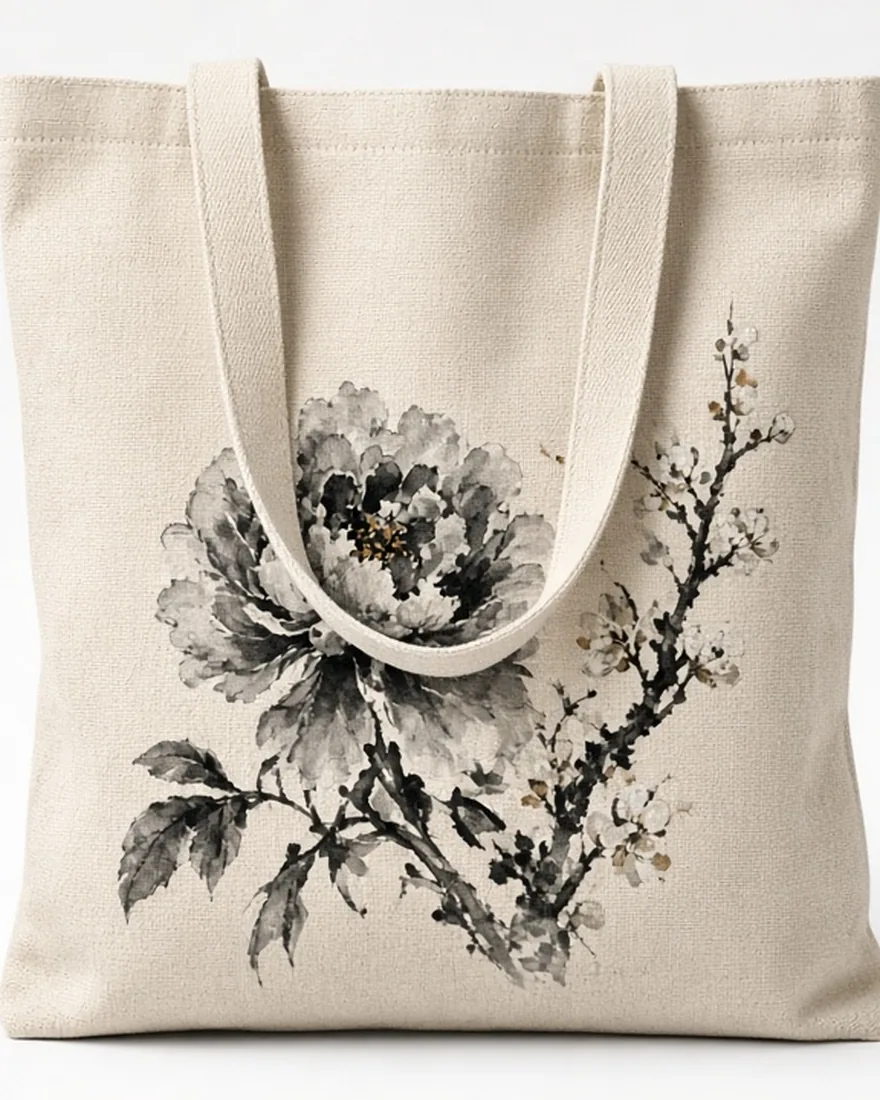
Ask the proposal to identify the zipper assembly and pull offered for each opening. A shared colour name does not establish that the top closure and pocket closure use identical parts. Record any proposed change beside the original request, including which variants it affects. If a photographed component carries another brand, use the image to explain the design feature and request an identified offered alternative; the reference image does not establish an authorised branded component.
How can I separate shared and variant-specific closures?
The worked example uses two illustrative custom tote variants. Both request top opening O-01 and top closure Z-01. Variant B also requests interior pocket opening O-02 with closure Z-02; variant A requests no interior pocket. The top closure uses pull reference P-01, while the pocket uses P-02. These are buyer document identifiers, not JINYU catalogue codes or available-stock claims.
Keep the shared top closure on one schedule row and give the added pocket closure its own row. This makes the scope visible without treating every component as different. Ask the response to retain these identifiers and add an offered component reference. If the proposed pocket construction requires a different attachment arrangement, record that change against O-02 rather than replacing the shared top-closure specification. Reconcile the schedule with the body and lining drawings before requesting samples.
Which attachment and lining details should accompany the schedule?
Show where the closure attaches to the bag body, lining, pocket or separate fabric panel. Add a close photograph or section sketch when the junction is difficult to describe from a front view. Identify the requested seam location, visible fabric edge and end treatment by drawing reference. For a lined tote, state which drawing shows the lining around each opening.
Ask the offered proposal to show the same junctions. Compare the proposed assembly with nearby handles, interior pockets and decoration positions on the drawing. Record a changed attachment panel as a construction change even when the visible zipper colour remains the same. Send the closure schedule together with the component and material schedule so the respondent can connect the hardware to the fabric it joins. Neither the schedule nor an appearance photograph establishes a carrying-load rating or water-resistance claim.
What evidence should I request before accepting a proposed closure?
Request an identified component description and a sample or detail photograph showing the offered arrangement. Connect the evidence to the bag variant, opening code and drawing revision. For the top opening, ask for views of both ends, the pull arrangement and the attachment to the body. For the interior pocket, include a view that shows its position within the bag.
Use the response worksheet to separate appearance, opening dimensions and assembly details. Record a specific question when one item remains unresolved, such as an endpoint measurement absent from the drawing. A visual match does not establish a test result. If the project calls for documented performance, state the required evidence in the inquiry and review what is actually supplied for that component and construction. Keep the resulting response with the selected sample reference.
How do I carry closure decisions into the quotation and order brief?
Retain the original request and write the selected offered reference beside it. Include the affected bag variants, closure and pull identifiers, drawing revision, sample reference and decision date. If the top closure changes for both variants, update both variant records. If only the pocket pull changes, keep that change attached to variant B and O-02.
Send JINYU, Shaanxi Jinyu Kitchenware Co., Ltd. (陕西金宇厨具有限公司), the resulting schedule with the requested quantities, destination, body dimensions, material references and artwork files. Ask for the quotation scope to identify the selected closure arrangement. For small non-woven quantities, begin with the available-stock route and ask what closures the offered stock item already has. Custom canvas totes, backpacks and travel bags use a custom brief. Keep the selected response and drawings together so later correspondence refers to the same construction.