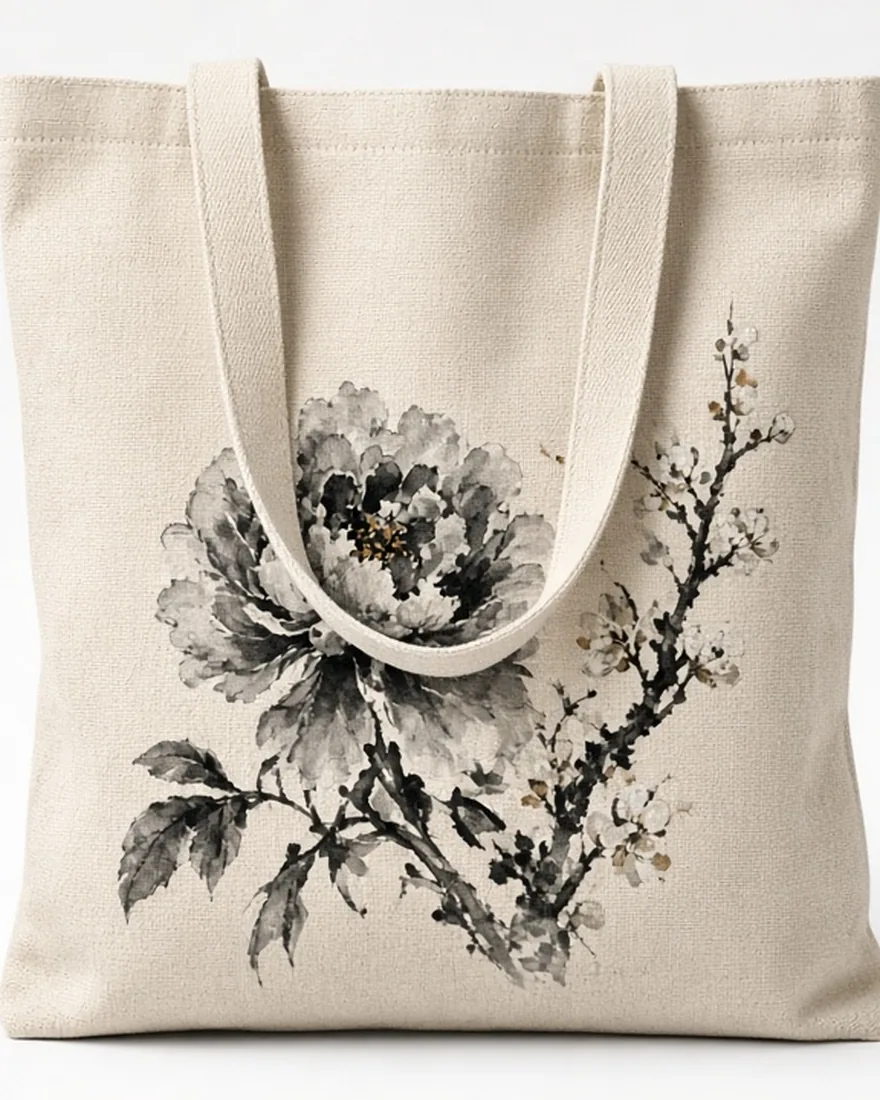
What is a component schedule for a custom bag inquiry?
A component schedule separates the parts of a bag so the requested construction can be compared with the offered construction. Give the outer fabric, lining, handles, closure, pockets and decoration their own rows. Connect those rows to a finished-bag drawing and a named variant. This is useful when two bags share the same silhouette but differ inside, or when a photograph conceals the handle attachment and closure.
Start with the construction you want to discuss. Describe an omitted lining as "unlined" and an omitted pocket as "no pocket" rather than leaving those cells empty. Where you need a recommendation, describe the intended use and ask for a proposed material or component. Keep the buyer request and the returned proposal in separate columns so a proposed option does not silently become part of the original brief.
How should I describe the outer fabric and lining?
Identify the requested material description, colour reference and any fabric reference you can supply. Record fabric weight only when you have a value to request or a documented sample value; retain its unit. For a lined bag, describe the lining separately from the outer body. Include which interior faces are lined and whether a pocket is attached to the lining or the outer construction.
A colour name such as natural or black can organise the inquiry, while an identified physical swatch provides a more specific comparison reference. Record the swatch identifier alongside the material row. A lifestyle photograph can communicate the appearance you want, but it does not establish fibre composition, fabric weight, coating or wash performance. Ask the respondent to describe the offered material against the same component identifier.
Which handle and closure details belong in the schedule?
Give each handle assembly a row that names its material, width, colour and attachment location. Put the measurement endpoints on the drawing: total strap length and the clear opening above the bag are different measurements. If two variants use different handle colours, show that difference even when the body fabric stays the same. A photograph of the attachment can accompany the drawing.
For a closure, identify the opening it serves and the requested arrangement. A top zipper, a pocket zipper and a magnetic snap are separate components. Describe any requested pull, flap or end treatment with its own reference image. Ask for the offered closure description and attachment drawing. Keep any requested performance evidence with the proposed component; a material name or a visual resemblance alone does not establish a carrying-load rating.
How can one schedule cover two custom tote variants?
Use a shared component identifier where the request is identical, then create a separate identifier for each changed part. In the worked example, variants A and B share outer body O-01 and handle assembly H-01. Variant A requests no lining and no pocket. Variant B requests lining L-01 and interior pocket P-01. Their front decorations use different artwork references, D-01 and D-02.
These identifiers describe an illustrative buyer brief, not catalogue models or stocked combinations. The table makes the differences visible without copying a complete specification twice. Attach the same body drawing to both variants, then add the interior drawing for B. If a returned proposal changes the body material for one variant, enter a new offered reference and review the effect on that variant's other components.
How do artwork and sewn labels connect to the materials?
Record decoration on the component it touches. Front-body artwork belongs with its panel reference, position and artwork revision. A sewn label needs its own text or artwork reference, dimensions, orientation and attachment position. Link a print proof to the specified outer fabric, and link an interior label to the lining or seam that carries it. This preserves the relationship between the visual design and the construction.
For the example variants, D-01 and D-02 distinguish the requested front designs even though O-01 is shared. Ask that the returned proof identify both the variant and the substrate being proposed. Review colour and placement using the identified proof and physical sample. A screen image is useful for checking file identity and layout; keep the physical colour reference in the record as well.
How should I record proposed substitutions?
Add the offered material or part beside the requested reference, together with the reason given for the change. Identify every variant using that component. If handle H-01 changes, both A and B need a review because both use it. If lining L-01 changes, B needs the interior review while A remains unlined in the example schedule. Request a revised drawing when a substitution changes attachment or dimensions.
Record the decision against the specific offered reference, sample and document revision. Avoid a single project-level "approved" note when several components are still under discussion. Retain the earlier schedule so the next reader can trace which part changed. Use a short difference list to connect the revised material, proof and construction drawing before the order specification is assembled.
What should I send with the completed component schedule?
Send the project name, variant identifiers, requested quantities by variant, finished-bag drawing, component schedule and referenced artwork files together. Include the destination and intended use. Attach labelled photographs of any physical references, showing the areas described in the schedule. Ask Shaanxi Jinyu Kitchenware Co., Ltd. (陕西金宇厨具有限公司) to return the proposed JINYU construction against those same identifiers.
Use the custom route for canvas totes, backpacks and travel bags, including small-quantity project inquiries. Small-quantity non-woven requests use the stock range: select an existing reference and its recorded variant before asking about availability. A custom component schedule does not turn a stock non-woven item into a customised offer. For a canvas or travel-bag project, retain the final component references with the sample record and written order specification.