Buyer planning guide
Custom Made Canvas Tote Bag: Specification to Order Handoff
Track custom canvas tote variants through artwork, sample and packing revisions with a worked two-variant handoff register and editable CSV.
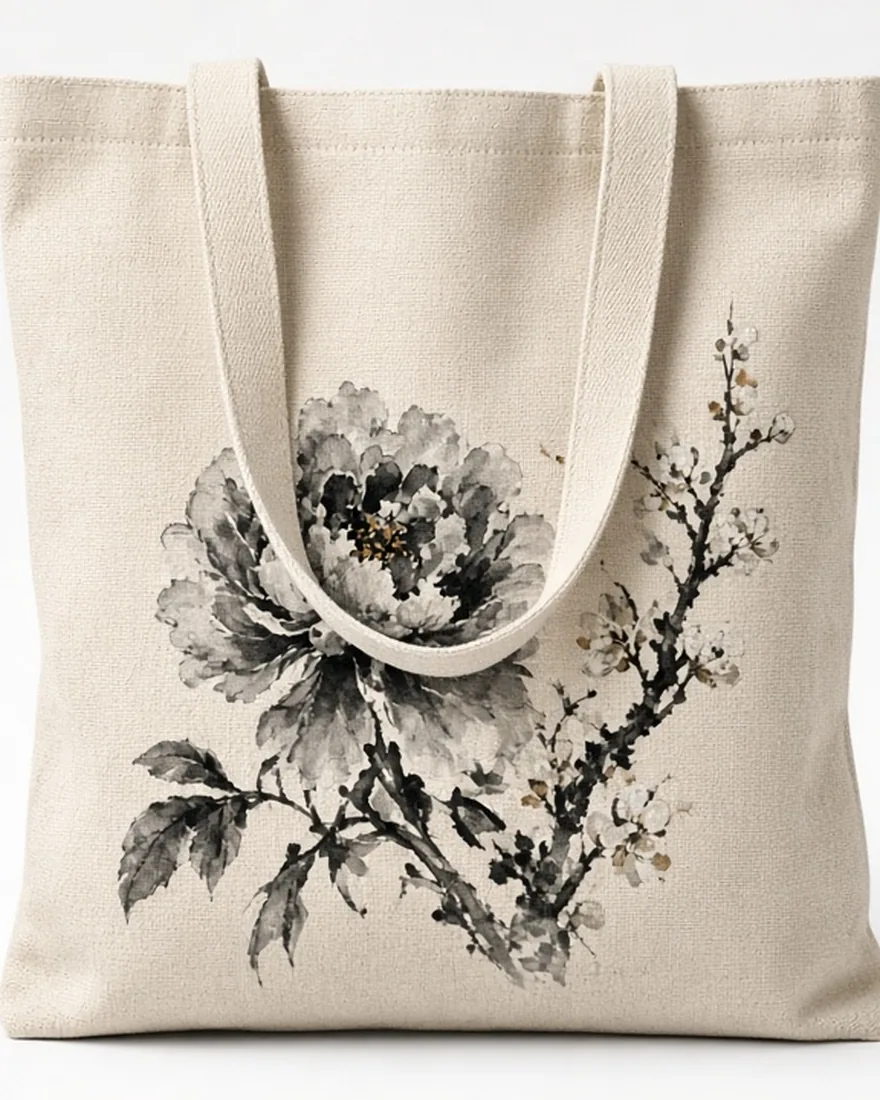
Worked canvas handoff: link each variant to its own accepted proof
Download the worked schedule (CSV) →
| Variant | Requested body / handles | Artwork / sample | Handoff comparison |
|---|---|---|---|
| CANVAS-A | 380 × 420 × 100 mm; 250 mm handle drop | A-front-v2 / SAMPLE-A2 | Back undecorated; compare drawing D2 |
| CANVAS-B | 380 × 420 × 100 mm; 250 mm handle drop | B-front-v1 / SAMPLE-B1 | Back artwork B-back-v1; compare drawing D2 |
| CANVAS-A revision | Body unchanged; drop requested at 280 mm | A-front-v2 / new handle review | Retain A2 photos; identify changed handle |
| Packing allocation | Separate A and B variant identifiers | Carton labels reference variant | Copy actual quantities from order record |
How do I hand over two canvas tote variants without mixing their proofs?
Give the common body drawing one reference and give each decoration combination its own variant reference. The example uses drawing D2 for a buyer-requested 380 mm width, 420 mm height and 100 mm base depth. CANVAS-A has front artwork A-front-v2 and an undecorated back. CANVAS-B uses B-front-v1 and B-back-v1. These dimensions and file references are illustrative custom requirements, not catalogue sizes or a record of completed JINYU samples.
Attach SAMPLE-A2 photographs to CANVAS-A and SAMPLE-B1 photographs to CANVAS-B. Photograph the front, back, opening and handle attachment for each sample. Copy the reviewed artwork filename into the corresponding row, including its revision. A shared body does not establish that the two decorations were reviewed together. Ask the purchasing response to identify the drawing, proof and physical sample used for each variant. The resulting handoff has a separate evidence chain for both designs while retaining the common construction drawing.
How should a handle change appear after the canvas artwork is accepted?
In the worked revision, the requested handle drop for CANVAS-A changes from 250 mm to 280 mm, a 30 mm increase. The body and front artwork references remain unchanged in the example. Add the new requested drop to the handle row and label the measurement endpoints on the drawing. Retain the SAMPLE-A2 photographs as the earlier review. Request a response identifying the revised handle construction and the sample or drawing that demonstrates it. Handle drop and complete handle length remain separate measurements.
Check whether the changed handle affects the position of attachments relative to the artwork. Record the reply against CANVAS-A rather than applying it automatically to CANVAS-B. Keep accepted artwork decisions visible while the handle response is reviewed. When preparing packing instructions, carry both variant identifiers into the carton allocation and enter the quantities from the actual order record. Send the current register to Shaanxi Jinyu Kitchenware Co., Ltd. (陕西金宇厨具有限公司) with the drawing and evidence references so the response can address each outstanding row.
What defines a custom made canvas tote bag before an order?
A custom made canvas tote bag is defined by its agreed construction and decoration, rather than by the category photograph. JINYU offers canvas totes as custom projects at small quantities. The finished dimensions, fabric, handles, lining, pockets, closure and artwork belong in a written specification. Keep the requested quantity and destination beside that specification so the inquiry describes one identifiable project.
Start with a project reference and a revision date. An illustrative reference such as CANVAS-A can follow the bag through drawings, material discussions, sample photographs and the eventual order document. It is a buyer's reference, not a JINYU catalogue model. Use the same identifier when sending a change so every reply can identify the affected design.
How should finished dimensions and handle measurements be written?
Write body width, body height and base depth as separate measurements, using one unit throughout. State whether width is measured with the empty bag laid flat and whether the design includes a gusset. Mark the measurement endpoints on a drawing. Record handle length separately from handle drop: the complete handle and the opening beneath it describe different parts of the design.
For an illustrative brief, a buyer might request a 38 cm-wide, 42 cm-high body with a 10 cm base depth. These are example requirements, not a published canvas stock size. Put the proposed measurements beside the intended contents and ask the reply to identify the finished dimensions it offers. Keep any measurement tolerance attached to its particular dimension when agreed.
Which fabric and construction details need their own entries?
Request the proposed fabric description and fabric weight with their units. Keep the fabric colour reference separate from the printed artwork colour reference. A photograph can communicate appearance, but the offered material description and identified swatch establish what is being compared. Record whether the bag is lined and identify any base insert, internal pocket or top closure in its own row.
Link each requested feature to a drawing view. For example, place the pocket on the interior view and the handle attachment on the front view, with dimensions measured from named edges. This lets a reply address a specific construction rather than describe an unspecified canvas tote. Material weight alone does not assign a carrying-load rating to the completed bag.
How do I connect the artwork file to the physical tote?
Give each artwork file a name and revision, and identify the front, back and any gusset decoration separately. State the intended decoration size and its position relative to bag edges or seams. Supply the colour reference used for the design. Where the brief includes both printing and embroidery alternatives, identify them as separate proposals so the reply can explain the construction offered for each.
A file named CANVAS-A-front-v2 should appear under that same name in the artwork record. If the back remains undecorated, write that instruction explicitly. Request a proof showing the artwork on the proposed bag drawing, then compare it with the physical sample. Retain the proof reference and sample reference together; a revised graphic should remain traceable to the bag on which it was reviewed.
What does a comparable supplier reply need to contain?
Ask the response to follow the same specification rows as the inquiry: finished size, material, handles, lining, pockets, closure, decoration, supplied accessories and packing. Keep the buyer request and offered description in adjacent columns. A difference can then be discussed at the affected row without replacing the complete brief with a new series of messages.
For two versions sharing one body, give each colour and artwork combination its own variant identifier and requested quantity. Separate the common construction from the variant details. If a reply proposes a different closure or fabric, record the alternative with its own reference. A statement that the bag is similar to a photograph does not explain which construction and decoration the proposal includes.
How should the sample review become an order specification?
Review the sample against the dated specification and record the sample identifier. Match the body dimensions, handle arrangement, fabric reference, lining, pocket positions and artwork with the corresponding rows. Take front, back and interior photographs under that identifier. Record accepted features and requested changes separately, with the affected drawing or artwork revision beside each change.
Suppose the body construction is accepted but the front artwork moves upward. Retain the construction record and identify the new artwork position in a revised drawing. Ask the response to state which features the revised sample or proof covers. The order document should identify the accepted specification, artwork and sample references together so an earlier photograph cannot silently replace a later written change.
Which packing and variant details belong in the handoff?
List the variant identifier, bag colour, artwork revision and requested quantity for each version. Add the agreed unit presentation and carton identification to the packing record. For a project with several destination allocations, keep the allocation list separate from the bag construction, while using the same variant identifiers in both documents. This makes it possible to discuss packing without changing which tote is being supplied.
Request the proposed packing description rather than assigning an assumed carton count or shipping weight. Those figures depend on the actual bag and packing arrangement. If a label or hangtag is part of the project, identify its file and placement as supplied items. The final handoff should make the bag, decoration and packing references readable together.
What should I send JINYU to move this specification forward?
Send the project reference, latest drawing, material and colour requirements, handle measurements, artwork files, variant quantities and destination through the inquiry form. Add any existing sample identifier and a short list of differences that still need a response.
Canvas totes follow the custom route. If the project instead needs a ready-made non-woven bag at a small quantity, compare the stock bag range and identify the catalogue variant. Use the linked canvas category and detailed artwork, handle and sample guides to develop the custom record, then retain the accepted revisions with the order documentation.
Reference sources
- Custom canvas tote bags
- Prepare the initial custom tote brief
- Canvas handle length and drop
- Front and back canvas artwork
- Custom bag sample review
- Compare custom bag inquiry replies
- Ready-made non-woven stock bags
- Send your canvas specification
Regional references support general planning; model-specific specifications come from the published JINYU model tables.