Buyer planning guide
Custom Bag Inquiry: Which Versions Does a Sample Cover?
Map four custom canvas tote configurations to a physical sample, artwork proof, fabric swatch and closure drawing, with a feature-by-feature evidence worksheet.
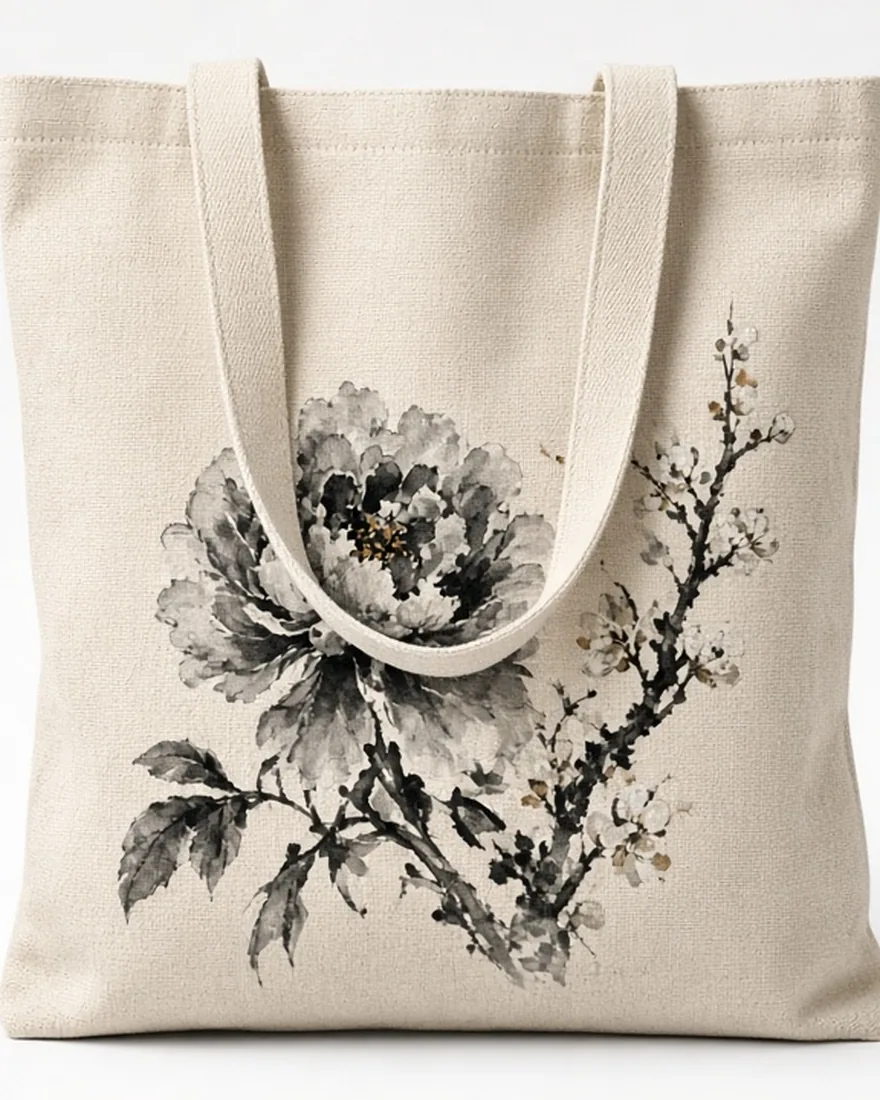
Four requested versions, four kinds of evidence
Illustrative custom canvas tote brief. C1, S1, P2, F3 and Z4 are example document and sample identifiers; these combinations do not identify stock products.
| Version | Requested configuration | Evidence | Represented detail | Follow-up record |
|---|---|---|---|---|
| A | C1 / natural / open top / front design A | S1 physical sample | Body, handles and decoration present on S1 | Record observed dimensions and feature photographs |
| B | C1 / natural / open top / front design B | P2 artwork proof | Layout shown in the identified proof | Request the physical decoration reference on the offered fabric |
| C | C1 / navy / open top / front design A | F3 fabric swatch | Colour and fabric represented by the labelled swatch | Request the complete configuration and decoration evidence |
| D | C1 / natural / zip top / front design A | Z4 closure drawing | Closure arrangement described by the drawing | Request opening, attachment and loaded-access evidence |
Four evidence items do not equal four physical sample bags. This example contains one physical bag, one proof, one swatch and one drawing.
Feature-by-feature response worksheet
| Field | Record |
|---|---|
| Configuration | Version letter, body drawing revision, material and colour |
| Feature | Handle, closure, pocket, decoration or packing detail being reviewed |
| Evidence item | Physical sample, swatch, drawing or proof reference and revision |
| Observation | What was measured or observed, with photograph identifiers |
| Requested response | Specific detail or evidence still requested for this configuration |
| Decision record | Buyer comment, date and exact configuration revision addressed |
How do I know which parts of a custom bag inquiry a sample represents?
Match the sample to a numbered configuration before recording your observations. A configuration combines the body drawing, material, colour, handles, closure and decoration. A physical bag can show several of those features together, but its presence does not describe every alternative in a multi-version inquiry. Ask the response to identify which requested features appear on the supplied sample and which are represented by a separate drawing, swatch or proof.
Build the coverage record around questions a buyer can answer from the actual evidence. Can the sample show the proposed pocket position? Does it use the requested handle attachment? Is the decoration applied to the requested fabric? Give each observation its own row. Keep the sample identifier beside that row so another person can find the same object or photograph when reviewing the response.
What does the four-configuration example show?
The worked matrix below describes four illustrative custom canvas tote requests. All four use body drawing C1. Versions A and B share natural-colour fabric and open tops; B requests a different front decoration. Version C changes to navy fabric. Version D retains natural fabric but requests a zip closure. These are example buyer requirements, not JINYU stock references or offered construction specifications.
Suppose sample S1 represents version A, proof P2 represents B's artwork layout, swatch F3 represents C's requested colour, and drawing Z4 describes D's closure. The record then contains four evidence items with different purposes. S1 supplies a physical reference for A. P2 does not supply a printed bag, F3 does not supply a complete navy tote, and Z4 does not demonstrate opening the finished zipped version. Put those distinctions in the reply column before discussing further samples.
Can an artwork proof cover a different print colour or bag fabric?
An artwork proof records the layout and information shown in that proof. Identify its file revision, face, intended printed size and placement. If the underlying fabric or ink colour changes, record the changed combination separately. A proof prepared against a natural-colour bag should remain linked to that version even if the same design is requested on navy fabric.
For version B, record P2 as layout evidence and ask what physical decoration evidence is supplied for the requested fabric. For C, retain F3 as the fabric-colour reference and identify any separate print sample. Compare the returned items with the same requested configuration rather than combining an unrelated swatch and photograph into an assumed finished result. Record lighting and reference labels when making review photographs so the next reviewer can identify the materials being compared.
Which construction changes need their own sample observations?
Separate a changed component from the unchanged body drawing. In version D, the requested zip closure changes the opening arrangement even though body drawing C1 remains the dimensional reference. Ask the response to describe the offered closure and show its attachment, opening and relationship to the handles. Record whether that information comes from a drawing, a component photograph or a physical sample.
If a physical zipped sample is supplied, identify it separately from S1. Use the intended contents when observing insertion and removal, then record the sample's actual configuration beside the result. Keep the measured contents and the observed packing sequence together. An open-top trial on S1 gives evidence about that open-top sample; it does not establish the mouth clearance or loading action of version D. Apply the same method to added pockets, changed handles or a different base construction.
How should several colleagues review the same sample?
Use one sample reference and one configuration revision across the review sheet. Assign observations to specific features: a retail colleague can describe packing, a design colleague can identify decoration placement, and the receiving team can record labels or presentation. Each person should state what they observed and identify the supporting photograph. Keep a request to change a feature separate from a description of the feature already present.
For example, one reviewer may observe that S1's open top allows the example contents to enter in the recorded orientation. Another may request a zip for version D. Those entries can coexist without turning S1 into evidence for a zipped opening. Consolidate the comments into a response list by configuration and feature. Return conflicting requests to the relevant reviewers with their original references so the next instruction describes a single intended version.
What happens to the matrix when a specification changes?
Record the previous configuration revision, the requested change and the affected evidence rows. If version A changes its handle attachment, retain S1 as the record of the earlier version and ask which returned evidence addresses the new attachment. Keep unchanged measurements attached to their original source. A change log makes it possible to see why an earlier observation remains useful or why a new observation is needed.
Use separate columns for requested detail, offered detail and the buyer's recorded decision. Name the document or physical sample supporting each decision. Avoid assigning one general status to the whole inquiry while the rows refer to different revisions. When a response changes more than one feature, identify each affected row and update the configuration list before comparing any new sample with the earlier set.
What should I send JINYU with the completed sample coverage record?
Send the numbered configuration list, drawing revisions, artwork files and the evidence matrix in one inquiry. Include the requested quantity against each complete version, the intended contents and destination. Identify the sample questions you want the response to address: physical construction, colour reference, decoration or packing. Ask the reply to name the proposed evidence item against each question so the documents can be compared line by line.
Address the request to Shaanxi Jinyu Kitchenware Co., Ltd. (陕西金宇厨具有限公司), using JINYU as the brand. Custom canvas totes, backpacks and travel bags use project-specific briefs. Small-quantity non-woven requests use existing stock references; retain their full SKU and variant when requesting samples. File the returned response with the matrix revision it addresses, then compare each supplied item with the configuration and feature recorded on its row.
Reference sources
- Custom bag inquiry checklist
- Artwork and quantity schedule
- Custom canvas tote bags
- Send a bag inquiry
- Compare requested and offered proposal scope
Regional references support general planning; model-specific specifications come from the published JINYU model tables.