Buyer planning guide
Custom Bag Inquiry Checklist: What Should Buyers Send JINYU?
Prepare a custom bag inquiry with the stock or custom route, dimensions, handles, artwork, quantities by version and destination in one practical buyer checklist.
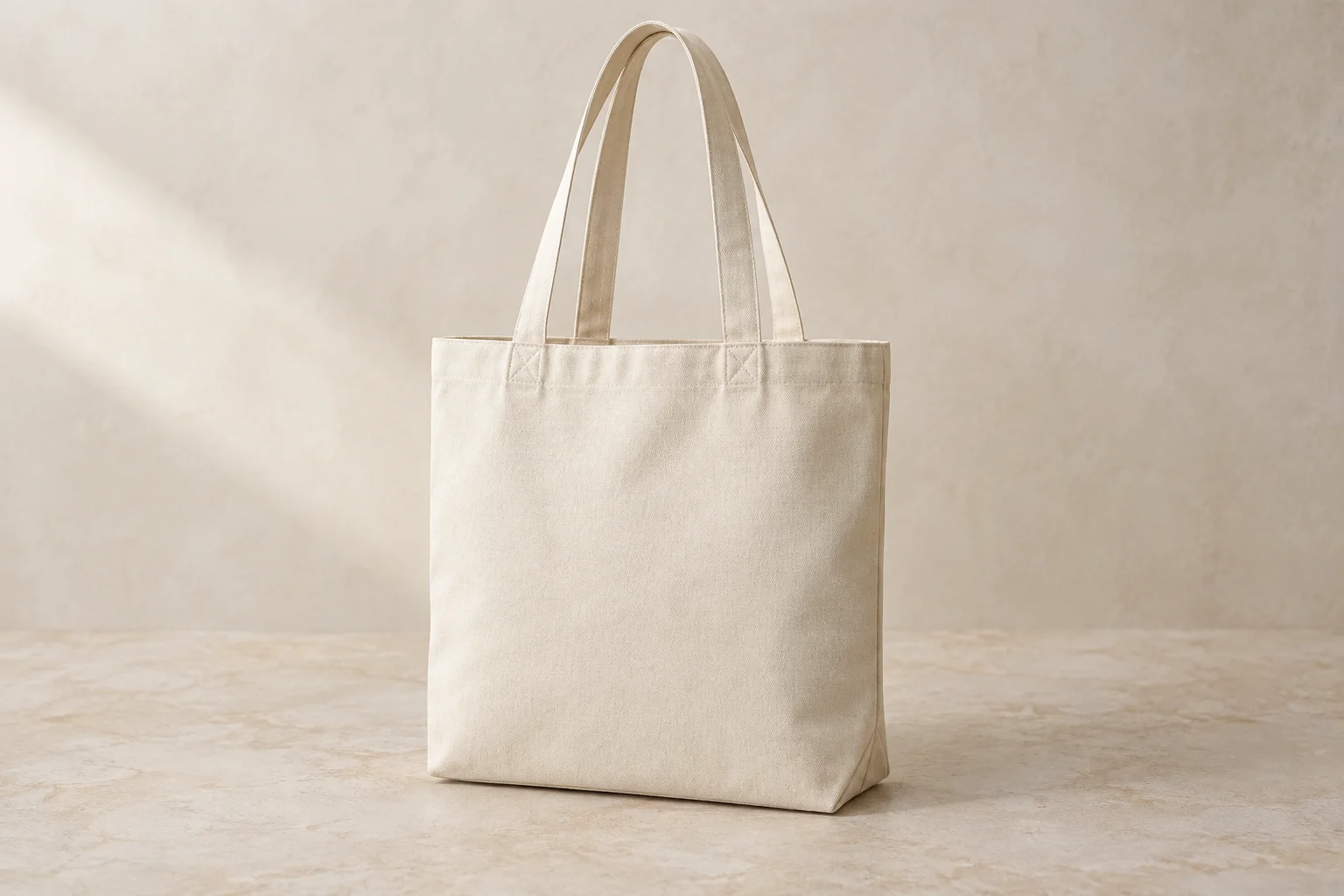
Record seam construction and sample photographs: connect numbered joins, inside views and returned edge-finish descriptions to the current drawing.
What should a custom bag inquiry include?
A custom bag inquiry should identify the bag type, intended contents, dimensions, carrying arrangement, requested quantity, artwork and destination. Give every version a reference and put the supporting files under that reference. Ask for a response against the same list so you can compare the proposed specification with your request.
Start with the buying route. For a small non-woven bag request, ask about available stock and identify the catalogue style or variant you are considering. Canvas totes, backpacks and travel bags use a custom project brief. This page brings those routes into one inquiry checklist; the linked drawing, artwork and sample guides cover the detailed reviews that follow.
Should I request stock non-woven bags or a custom bag?
Use the stock route when an existing non-woven style and size can meet the packing task. Send the catalogue reference, desired colour and requested quantity, and ask which stock options are available. If you want decoration, describe it separately so the response distinguishes the bag itself from the printing request.
Use a custom brief for a canvas tote, backpack or travel bag with a defined size, construction or compartment layout. Explain the job the bag must do: carry a boxed retail purchase, hold an event kit or organise travel contents. Where the route is undecided, send the same contents list for both alternatives and ask each proposal to identify its material, dimensions and construction.
How do I describe bag size without mixing up measurements?
Write the measurement order beside every size: width, height and depth, with the unit stated. Label the dimensions on a sketch rather than relying on a number sequence alone. For a flat bag, identify it as flat. For a gusseted style, show which panel creates the depth and how the bag is measured when opened.
Measure the contents separately and show how they sit inside. A folder held upright and a box placed across the base can need different proportions even when their longest dimension is similar. Include a photograph of the complete intended contents beside a ruler. Record handle drop separately from body height, and describe whether the bag will be carried by hand or over the shoulder.
How should quantities, colours and artwork versions be listed?
Give each combination its own line: version reference, bag type, size, colour, artwork reference, requested quantity and destination. A single total does not show how the order is divided. If two versions share a body but have different logos, keep separate artwork references so the proposed decoration can be checked for each one.
For example, use BAG-A for one tote design and BAG-B for another; these are buyer worksheet labels, not JINYU catalogue codes. Name the matching files BAG-A-drawing and BAG-A-artwork, then add a revision date. If the quantity split changes, update the line list and keep the previous version in your own records so the purchasing team can trace the revision.
Which construction details and artwork files should I attach?
Describe handles, closure, pockets, lining and any base panel that matter to the intended use. Mark their positions on the drawing. A reference photograph can explain a feature, but add a note identifying the feature you mean; otherwise the whole photographed bag may be read as the requested design. Separate required details from alternatives you want reviewed.
Attach the logo or artwork file you have, identify the printed sides and label the intended placement. State the requested print dimensions and colour references. Keep those dimensions separate from the bag body dimensions. Ask which file format is needed for the proposed decoration method. Use the artwork-proof guide to review placement and spelling after a proposal has been prepared.
What can I copy into an initial custom bag inquiry?
Use this field sequence as a worksheet, replacing each field with your project information before sending: project reference; stock or custom route; bag type; intended contents; body width, height and depth with units; handle drop; material or catalogue reference; closure and compartments; colour; artwork file and revision; quantity for each version; destination; attached drawing and photographs.
Finish with the questions you need answered: Which stock reference or custom construction is proposed? Which requested features are included? What sample or artwork review is proposed? What packed cargo information can be supplied for transport planning? Send the completed worksheet through the inquiry page with the supporting file references. Keep a copy of the submitted specification alongside the response.
How do I compare replies and prepare a sample review?
Compare each response against your version list. Record the proposed body dimensions, material, handles, closure, decoration and included accessories for each line. Where an alternative is offered, put it beside the original request and identify the decision needed. A photograph alone cannot establish that two proposals describe the same size or construction.
For a sample discussion, take the intended contents list and drawing into the review. Check access, the way the contents sit inside, handle placement and the artwork position. Photograph the reviewed sample from labelled sides and connect those images to the version reference. Use the sample-request checklist for the detailed record, then update the inquiry specification with the decisions made during that review.
What should I send JINYU when the brief changes?
Send a replacement version list showing which bag references changed and which details changed within each reference. Attach the revised drawing and artwork files, using the same revision label in the message and filenames. State whether the revision replaces an earlier attachment. That gives the next response a clear specification to address.
Direct the inquiry to JINYU. Include the destination and quantity split again when either changes, because those details belong with the current brief. Ask for a written response tied to the revised references. Retain the drawing, artwork, sample notes and reply together so the project can be handed from the buyer to the receiving team.
Reference sources
- Locate artwork on the finished bag face
- Specify pocket positions from finished body edges
- Compare stock non-woven and custom canvas inquiry routes
- Match samples to requested configurations
- Record dimensional tolerances and sample measurements
- Compare packaging bag routes
- Browse stock non-woven bag styles
- Read non-woven bag sizes in centimetres and inches
- Prepare a dimensioned bag drawing
- Review artwork placement
- Prepare a sample request
- Custom canvas totes
- Custom backpacks and travel bags
- Send your completed bag inquiry
Regional references support general planning; model-specific specifications come from the published JINYU model tables.