Buyer planning guide
Custom Bag Inquiry: Compare Two Proposals Line by Line
Compare custom bag proposals with a worked 180-bag request, construction and artwork differences, destination arithmetic and a response worksheet.
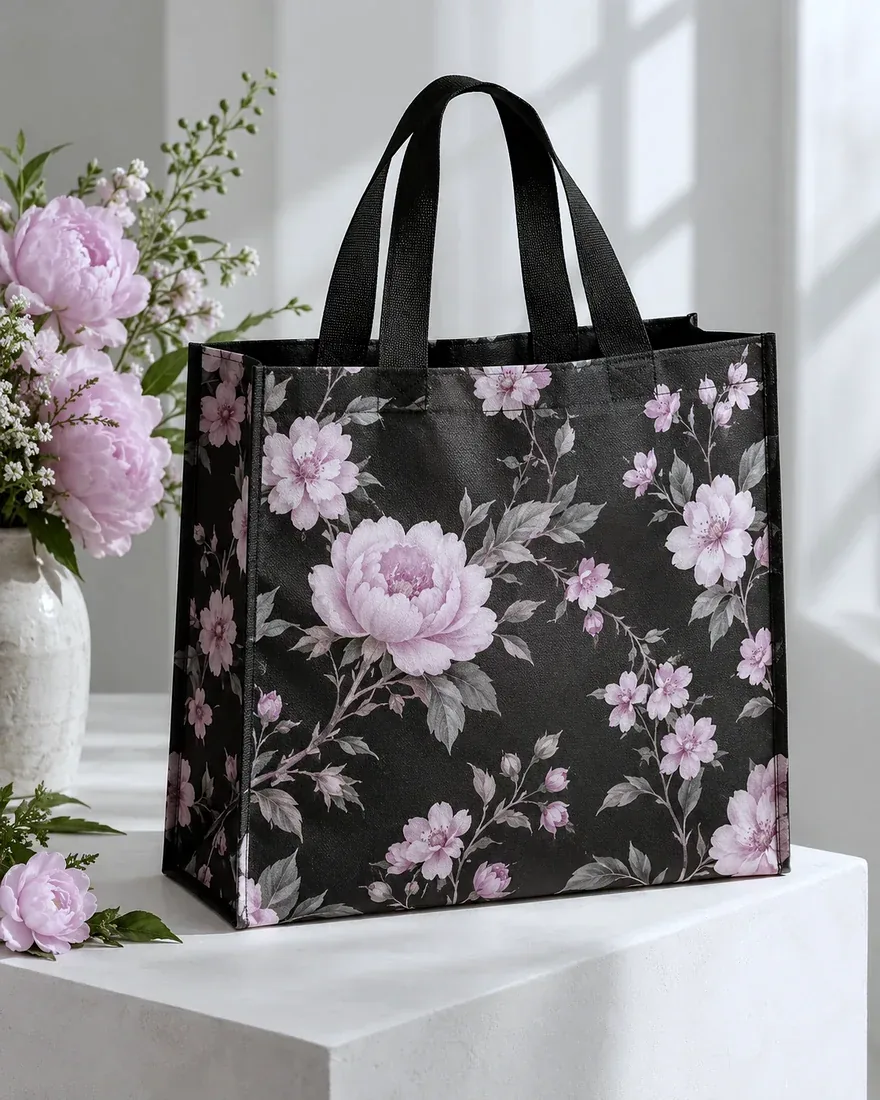
Worked comparison: same bag total, different scope
Illustrative custom canvas project and hypothetical responses. The dimensions, construction references and quantities below describe a buyer exercise, not a catalogue product, stock statement or offer.
| Record | Requested R1 | Proposal A | Proposal B |
|---|---|---|---|
| Body drawing | 35 × 40 × 10 cm, W × body H × D | Matches requested drawing | Matches requested drawing |
| Handle arrangement | Separate loop handles | Separate loop handles | Separate loop handles |
| Lining | Buyer lining reference LIN-A | LIN-A | Omitted |
| Front artwork | BLOOM R2 | BLOOM R2 | BLOOM R1 |
| Back artwork | No print | No print | No print |
| Packing allocation | North and South listed separately | Separate destination allocation | Combined consignment description |
Check destination differences before the combined total
| Record | North bags | South bags | Total bags | North difference | South difference |
|---|---|---|---|---|---|
| Requested R1 | 120 | 60 | 180 | 0 | 0 |
| Proposal A | 120 | 60 | 180 | 0 | 0 |
| Proposal B | 90 | 90 | 180 | -30 | 30 |
Both proposals total 180 bags. Proposal B moves 30 bags out of the requested North allocation and adds 30 to South; its combined difference of zero conceals both line differences.
Four questions for the revised response
| Record | Difference | Response question |
|---|---|---|
| Construction | Lining omitted | Describe the offered inside construction and return its drawing reference. |
| Artwork | R1 offered against R2 requested | Return a front proof identifying BLOOM R2 and the placement dimensions. |
| Allocation | 90/90 offered against 120/60 requested | Repeat the requested colour/destination split in the revised response. |
| Packing | Combined consignment wording | Identify package allocation and transport endpoint for each destination. |
How do I compare two replies to a custom bag inquiry?
Start with the same dated buyer brief in both response columns. Copy what each proposal actually offers beside the requested bag body, material, handles, decoration, quantities and destination allocation. A description such as custom tote leaves several construction choices open. A useful comparison preserves those choices individually so the purchasing team can see which response addresses the original request and which introduces an alternative.
The worked example below uses an illustrative canvas tote brief and two hypothetical responses. It describes a purchasing method, rather than an available JINYU product or a commercial offer. Both responses contain 180 bags. Their different linings, artwork revisions and destination allocations explain why equal totals alone do not establish equivalent scope.
Which bag construction details belong in separate comparison rows?
Give the outside body drawing its own revision and retain width, body height and gusset depth with units. Then compare outer fabric, lining, closure, handles and any pockets separately. A response can match the outside dimensions while changing the lining or handle arrangement. Ask the respondent to identify those changes against the buyer line, rather than replacing the original description with the offered wording.
In the example, the requested body is 35 × 40 × 10 cm, with separate loop handles and a specified lining reference. Proposal A repeats those entries. Proposal B keeps the body size and handles but omits the lining. Record that omission as a construction difference and request the proposed inside construction. Matching body dimensions provide no evidence that the interior construction or usable opening is identical.
How can I keep artwork and proof scope comparable?
Compare the front and back independently. Record the artwork filename or identifier, revision, requested printed dimensions and placement drawing for each face. Link the returned proof to those references. A photograph of a decorated tote helps identify appearance, but its file reference and represented construction still belong in the comparison. Keep any requested physical sample beside its own scope description.
Here the front uses BLOOM R2 and the back is unprinted. Proposal B refers to BLOOM R1. The revision difference remains open even though its requested quantity matches the total. Ask for a proof identifying R2, or record the alternative revision as a deliberate selection. A body-size match does not resolve an artwork mismatch, and an artwork proof does not establish the lining used in a physical sample.
What do the quantity and destination calculations reveal?
Reconcile three totals: bags by body-colour combination, bags by artwork combination and bags by destination. Each view should connect back to the same requested lines. Printed-face counts are a separate check because one bag can have more than one decorated face. Keep the original response quantities visible while calculating the differences; changing the request to resemble the response would hide the discrepancy.
The illustrative request allocates 120 natural totes to destination North and 60 black totes to destination South, for 180 bags. Proposal A repeats that split. Proposal B allocates 90 natural and 90 black bags to the same two destinations. Its overall difference is zero, but North has 30 fewer bags and South has 30 more. Ask for a revised allocation before using the combined total as the purchasing quantity record.
How should packing and delivery wording be compared?
Separate the bag specification from the packing proposal and the transport endpoint. Record requested quantities by destination, the proposed carton allocation, carton marks and which document describes the movement. A proposal describing one combined consignment differs from a request describing two destination allocations. Keep the destination labels in the comparison even when the respondent has not yet supplied carton counts.
Request shipment-specific package quantities and measurements when reviewing transport. The example's 180 bags do not establish carton count, packed volume or gross weight. Those fields need a packing response for the proposed construction and allocation. Copy the stated handover endpoint as well: receiving entrance, destination warehouse or another named location. This lets the buyer compare the actual movement described without reading additional activities into the word delivery.
Should I choose the proposal with the most matching rows?
Use the rows to identify the decisions needed for your project. A count of matching fields does not measure the importance of a changed lining, outdated artwork or different destination split. Mark each difference with the buyer requirement it affects and a specific response question. Keep alternative constructions visible as alternatives, with their own drawing and evidence references.
For this example, Proposal B has three distinct questions: what interior construction is offered without the requested lining, which proof will represent BLOOM R2, and whether the 120/60 allocation can be repeated. Those questions call for different documents. Retain the original proposal and compare the revised response against the same brief. The resulting record should explain the selected construction and allocation, rather than merely showing that a respondent answered an email.
What should I send JINYU for a proposal review?
Send the dated buyer brief, both response documents and a line comparison identifying the exact differences. Include body and component drawings, colour references, front/back artwork identifiers, quantities by destination and the requested sample evidence. Share the project destination and the packing or handover questions that affect your selection. Use the inquiry page for the initial project description and identify the documents you want reviewed.
For Shaanxi Jinyu Kitchenware Co., Ltd. (陕西金宇厨具有限公司), retain one buyer reference across the request and subsequent response. Ask the returned proposal to repeat that reference and identify its drawing, proof and allocation revisions. When a construction or quantity changes, update the affected comparison row and preserve the earlier response. This connects the selected proposal to the brief used by the people reviewing the sample, artwork and packing instructions.
Reference sources
- Build the component and material schedule
- Allocate colours, artwork and quantities
- Record sample coverage
- Compare stock non-woven and custom canvas routes
- Record a revised inquiry after the quotation
Regional references support general planning; model-specific specifications come from the published JINYU model tables.