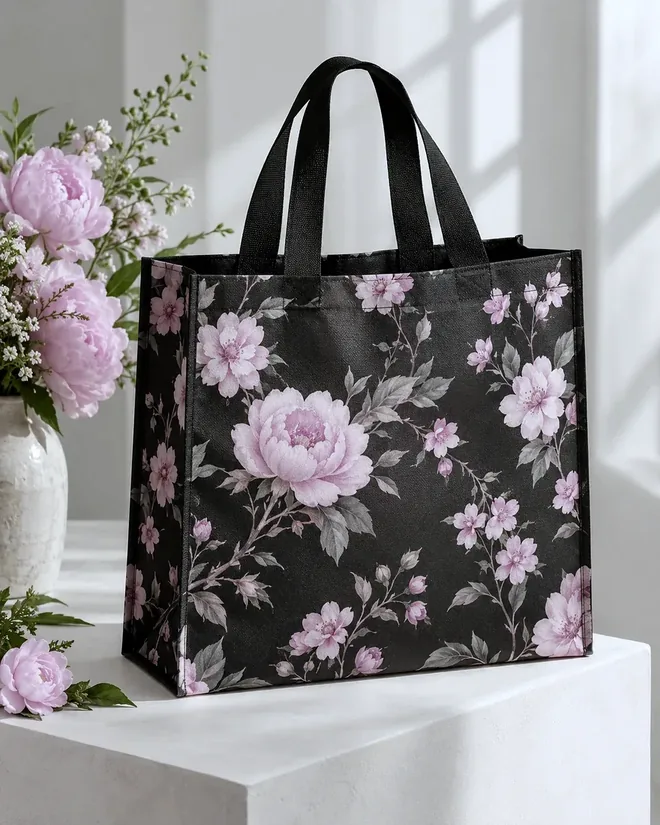
Gusseted Shopping Bag
40 × 35 × 15 cmExternal size reference · 90 GSM
Start here for boxed products or several items. The side and bottom depth matter as much as the front dimensions.
 JINYUCommercial equipment & packaging.
Retail packaging
For reusable grocery bags and retail packaging: compare packed W×H×D, gusset, GSM, print, quantity and delivery before requesting a quote.
Back to your selected size →Set a valid quantity on your selected bag before preparing email or WhatsApp.
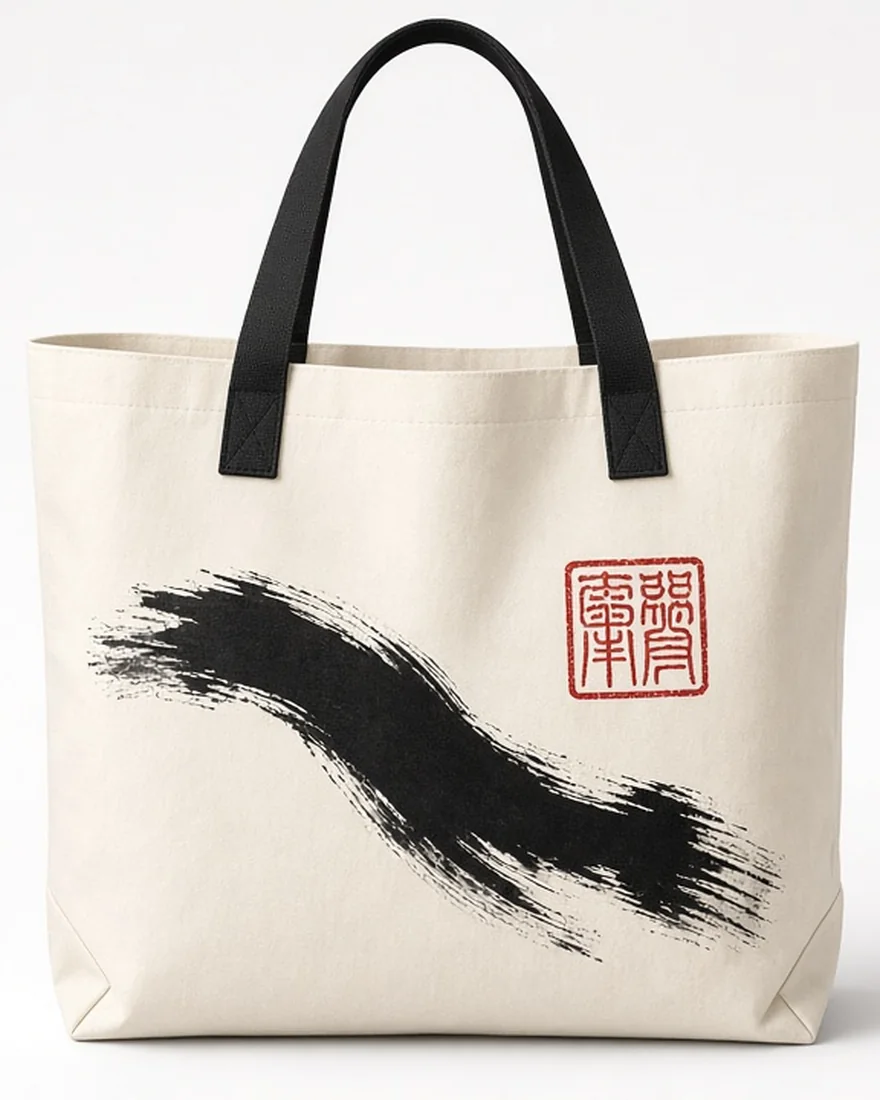
Choose for the contents
Compare these size references, then confirm usable space and print with a sample.
Help me choose →40 × 35 × 15 cmExternal size reference · 90 GSM
Start here for boxed products or several items. The side and bottom depth matter as much as the front dimensions.
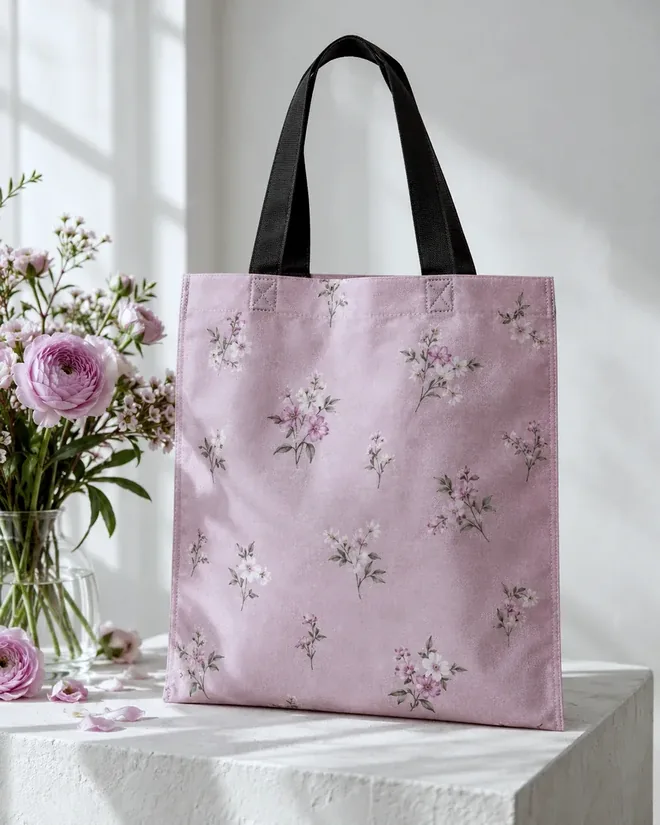
38 × 42 × 10 cmExternal size reference · 80 GSM
A familiar loop-handle format for lighter purchases and a straightforward logo. Review the body depth around the actual contents.
Prepare a useful brief
Send the width, height and depth of a typical box or product. Include any tissue, inserts or protective packaging so the proposed bag leaves usable room.
Compare an available material colour with a one-colour logo against a more extensive print. Share the artwork and intended print position for each option.
Tell us the total quantity and whether it is for one shop or several locations. Packing and destination belong in the quotation, not as a surprise after production.
Samples & useful answers
Use a sample to check fit, handle feel and logo readability when carried.
Sample cost, production and transport are confirmed separately.
Discuss a sample →Measure the packed box, including tissue and inserts, in width × height × depth. For example, one 28 × 18 × 12 cm gift box is a starting point for comparing our 40 × 35 × 15 cm gusseted shopper reference. The box has a 28 × 12 cm base; a bag with only a 10 cm gusset is not a suitable rectangular fit in this orientation. These are planning dimensions, not a tested fit: bag measurements are external. Confirm usable base space, seams, opening and handle clearance with the packed box in a sample.
Compare gusseted shopping bag dimensions →As a worked example, two rigid boxes measuring 28 cm wide × 18 cm high × 12 cm deep each form a 28 × 36 × 12 cm stack when placed one above the other. Compare the 38 × 42 × 15 cm TALL shopper reference for a sample trial. The 40 × 35 × 15 cm reference is shorter than the stack, so it is not a starting point if both boxes must sit below the bag rim. Add wrapping and any separator before measuring. This example assumes the boxes can safely be stacked; it does not establish a two-box capacity or carrying-weight rating.
Compare the 38 × 42 × 15 cm shopper →Measure the finished garment pack, including its sleeve, tissue or other wrapping. As a planning example, one folded pack measuring 30 cm wide × 25 cm high × 4 cm thick can be compared with a 38 × 42 cm flat loop-handle tote in a sample. A flat tote has no rectangular base gusset: the pack thickness uses some of its width and can narrow the opening. If two wrapped garments make a 30 × 25 × 8 cm stack, also compare a 40 × 35 × 15 cm gusseted shopper. These bag dimensions are external references, not usable internal clearances or tested capacities. Check the opening, seams, top clearance and handles with the actual filled pack before choosing a size or quantity.
Compare the 38 × 42 cm flat tote →Choose the packing orientation first, then measure the combined outer width, height and depth of the products, protective packaging and dividers. For identical rigid boxes arranged in rows, calculate the row width, stacked height and total depth separately. Do not divide bag volume by product volume: shapes, the opening and seams can prevent a fit even when the litre totals look sufficient. Compare the packed layout with usable internal sample measurements. Finally test the complete load, handles and base. Product count, geometric fit and safe carrying weight are separate checks; GSM alone does not provide a load rating.
Discuss your packed products and required quantity →List the quantity for each bag size, material colour and artwork, then give the delivery split by store. Ten thousand identical bags packed for several shops is a different quotation from several sizes or store-specific logos. Ask for bag production, artwork setup, labelled packing and each delivery to be shown separately. This is a planning example, not a minimum order.
See how quantities per design affect the quote →Clarify whether microns describe film, coating or lining. For PP spunbond non-woven bags, specify material/GSM, seams, handle attachment and any agreed tear-strength test method. GSM or thickness alone is not a carrying rating. Send packed contents, finished W×H×D, quantity per artwork, colour, print, destination and arrival window. We confirm evidence, sample and production route for that construction.
Discuss thickness and tear-strength requirements →Yes. We can review that brief around your distribution plan. Send the filled product dimensions and weight, finished bag size, GSM range, seam and handle details, logo print sides and colours, quantity per artwork, packing, destination and arrival window. A 100,000-piece first order or monthly programme still needs a sample and production-source confirmation: the GSM range, ultrasonic seam, reinforced handle and quantity are not a standard JINYU MOQ, stock or certified performance claim.
Submit a supermarket bag brief →Bag rules can differ by country, region and intended use. Tell us where the bags will be sold or distributed, how they will be used, and any material, seam, labelling or documentation requirements you need to meet. We review the proposed construction and available evidence with the production source before confirming the specification. A catalogue reference or sample alone does not establish legal compliance in your market; confirm the applicable local requirements before ordering. For EU retail packaging, include the Member State, intended use and who will place it on the market. Regulation (EU) 2025/40 starts applying in phases from 12 August 2026; later labelling and recycling requirements have separate dates. Do not treat non-woven material, GSM or a reusable design as proof of compliance. Ask your importer which classification and documentation apply to the proposed bag.
Read the EU packaging regulation (2025/40) →Yes. We also review formats beyond this catalogue and confirm the actual production route, sample and quotation for your specification. Measure the actual filled bottle, not its volume label. For a planning example, a bottle 8 cm across and 30 cm high needs more than 8 × 8 cm of usable base space and 30 cm of clear height after allowing for the opening and closure. Two such bottles upright side by side need more than 16 × 8 cm of usable base space before a divider, padding and seams. These are geometric starting points, not finished bag dimensions or a tested carrying capacity: exterior bag measurements do not establish internal clearance. For one, two, four or six bottles, send the layout, filled weight, divider and base requirements, material colour or finish, quantity per format and artwork, print sides, destination and arrival date. Check fit, separation, handle comfort and print with a filled sample; we confirm the production route, construction, workable quantity and delivery for the selected specification.
Discuss a bottle or gift-bag specification →Measure one closed takeaway box after packing. As a planning example, record 18 cm wide × 12 cm deep × 14 cm high. Record those packed cargo dimensions as W × H × D 18 × 14 × 12 cm; this is a cargo measurement, not a recommendation for a finished bag size. Compare them with a separately confirmed finished bag reference and its usable internal space: seams, the opening and clearance reduce usable space, so approve the packed box in a sample rather than assuming a guaranteed fit. For two or more boxes, state the actual arrangement and calculate the packed width, height and depth from that arrangement rather than assuming a stacked capacity. Tell us whether the boxes must stay level, whether the contents are warm, oily or damp, and whether local food-contact or labelling rules apply. Non-woven bag material is not automatically food-contact certified. Send the final packed dimensions, quantity per artwork, bag colour, logo, packing, destination and arrival window so we can confirm the suitable production route and sample.
Discuss a takeaway-box bag brief →Give us the delivery country and postcode, along with the bag specification, artwork and packing requirements. Ask for bag production, setup and shipping to be listed separately in the quotation.