Buyer planning guide
Commercial Kitchen Supplies: Pickup vs Delivery Quotation Scope
Compare pickup and delivery scope for JINYU kitchen equipment using three real cabinet examples, a package-document check and a seven-row activity worksheet.
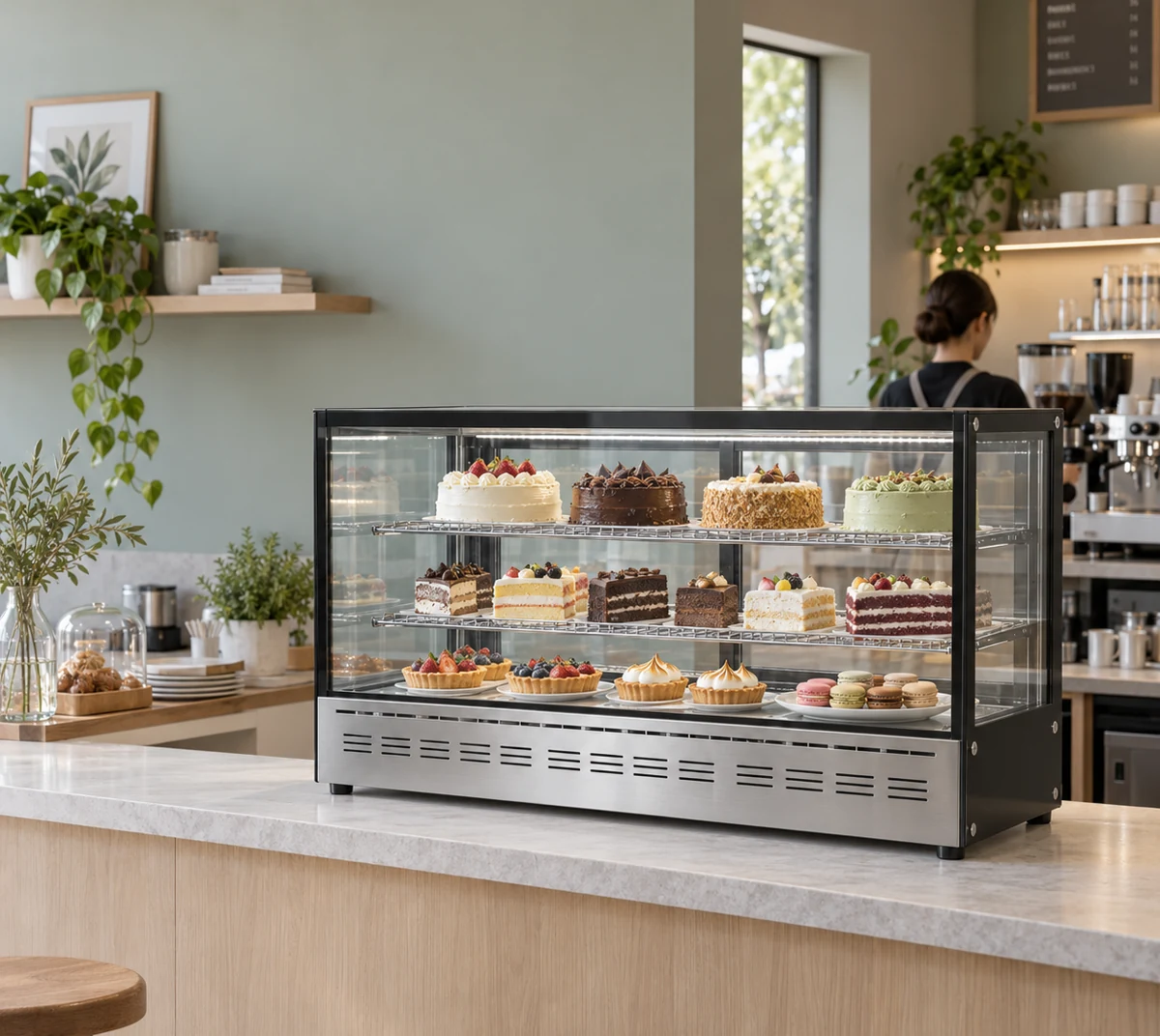
Equipment references and transport scope worksheet
| JINYU model | W × D × H, mm | Listed capacity | Installation | Supply |
|---|---|---|---|---|
| GN-1200RF2 | 1200 × 730 × 1200 | 425 L | Freestanding | 220-240V/50Hz |
| GN-660RT | 660 × 530 × 730 | 102 L | Countertop | 220-240V/50Hz |
| GN-1200RT | 1200 × 530 × 730 | 190 L | Countertop | 220-240V/50Hz |
| Activity | Record | Evidence to compare |
|---|---|---|
| Equipment line | Full model, quantity and supply configuration | Same equipment schedule revision in both responses |
| Cargo record | Package identifiers, count, packed dimensions and gross weights | Shipment-specific package schedule revision |
| Collection | Named location and coordinating party | Provider scope and collection contact |
| Destination | Receiving entrance and requested endpoint | Marked site plan and receiving instructions |
| Unloading | Responsible party and equipment arrangement | Explicit activity wording in each response |
| Indoor movement | Provider and final positioning endpoint | Route plan and separate activity scope |
| Reconciliation | Requested wording, response and revised wording | Document references retained together |
How can I compare pickup and delivery quotations for the same kitchen equipment?
Put the same equipment lines in both requests, then compare the movement covered by each response. Record the collection point, destination, handover point, packing documents and the party arranging each activity. A pickup response can describe collection at an identified location; a delivery response can describe transport to an identified destination. Neither label alone identifies unloading, indoor movement or installation. Ask each respondent to state those activities individually.
Use a shared comparison sheet with one row per activity and a column for each response. Copy the actual wording and document reference into the sheet. If one response ends at the receiving entrance while another describes positioning inside the premises, retain that difference in the comparison. Request a response covering the intended endpoint before treating the two transport scopes as equivalent.
Which model details should stay identical in the two requests?
Repeat the full JINYU model code, quantity and electrical configuration. GN-660RT is a 660 × 530 × 730 mm countertop cake display with 102 L listed capacity. GN-1200RT measures 1200 × 530 × 730 mm and lists 190 L. GN-1200RF2 is a freestanding cabinet measuring 1200 × 730 × 1200 mm with 425 L listed capacity. Each example here records 220-240V/50Hz. Keep these equipment facts separate from the transport description.
For example, a request for one GN-1200RT should remain one GN-1200RT in both proposals. A response offering GN-1200RF2 changes the equipment as well as the movement: the cabinet is 200 mm deeper and 470 mm taller. Give that alternative a separate equipment row. Its 1200 mm width matches, but the remaining outline and installation format change the site review.
Can catalogue cabinet dimensions be used as packed cargo measurements?
Catalogue dimensions describe the cabinet body. Request a shipment-specific package schedule for the movement being compared, showing package identifiers, count, packed dimensions and gross weights. Preserve the unit of measurement on every field. Link each package to its equipment line, and identify any separately packed accessories. A body measurement should stay labelled as a cabinet dimension wherever it appears in the comparison.
For the GN-1200RT example, 1200 × 530 × 730 mm is the recorded cabinet outline. Use it when discussing the counter position. The carrier request needs the actual packed measurements and weight supplied for that shipment. Compare both responses against the same package schedule revision. If a provider has used a different revision, ask for an updated response and retain the original document so the change can be traced.
How should I record unloading and the final handover point?
Name a physical location, such as the marked receiving entrance, a designated unloading area or the equipment room shown on a site plan. Record who provides unloading equipment and who moves the packages beyond that location. Ask whether unpacking, removal of packing materials and placement at the final position are included as separate activities. Keep the respondent's wording beside the corresponding location on the drawing.
In an illustrative cafe purchase, the vehicle entrance and the counter room may be different endpoints. A delivery response naming the entrance leaves the indoor movement scope unanswered until it is described. A pickup arrangement also needs a destination receiving plan once a carrier has been selected. Attach route photographs, opening measurements and the building's receiving instructions to both requests so each response addresses the same premises.
What differences matter when pickup and delivery use different providers?
Use an activity owner column to show who coordinates collection, transport, destination receiving and indoor movement in each proposal. Record the named contact and the document that describes their scope. Give any transfer between providers its own handover location and record. This lets the purchasing team identify an activity assigned twice or an activity that neither response addresses.
For example, the buyer's carrier might collect the packages while a separate destination contractor handles indoor movement. Write those two scopes on separate rows, then attach the common package schedule and route plan. A delivery response might combine some activities under one provider. Compare the actual scope line by line. Record any destination documentation request against the provider making it rather than assuming that the word delivery describes every movement needed by the site.
Which documents should be reconciled before choosing a transport arrangement?
Read the equipment schedule, package schedule, site receiving instructions and the two scope responses together. Check full model codes and quantities first. Next match package identifiers and revisions. Then follow the physical journey from the named collection point through each handover to the endpoint requested by the site. Enter any different wording in the worksheet below, with a specific question for the respondent.
Keep three records for a changed line: what the buyer requested, what the response describes and the revised wording received. For a GN-660RT plus GN-1200RF2 purchase, retain two equipment lines even if the provider groups them in one movement. Their cabinet formats and dimensions differ. The shipment package schedule establishes how they are packed; the model pages establish the cabinet specifications used in the equipment review.
What should I send JINYU for a pickup-versus-delivery scope review?
Send the selected model codes and quantities, destination, site supply details, intended equipment positions and the two response documents. Include the package schedule if available, the receiving entrance plan and your activity comparison sheet. Mark the exact sentence or missing activity that needs an answer.
Use the inquiry page to describe the requested collection or destination endpoint. Add the document revision beside each attachment and identify the person coordinating site receiving. When a response changes the equipment, update the cabinet comparison as well as the movement sheet. Retain the final agreed scope with the receiving checklist so the team meeting the shipment can read the same endpoint and activity assignments used during purchasing.
Reference sources
- Compare actual and volumetric cargo weight
- Reconcile buyer-arranged pickup packages at handover
- Survey a goods-lift route for an upper-floor delivery
- Pickup and delivery options for commercial kitchen supplies
- Cabinet and packed dimensions for a delivery handoff
- Equipment receiving checklist
- Send an equipment inquiry
Regional references support general planning; model-specific specifications come from the published JINYU model tables.